Plano's Heritage Farmstead Museum Keeps History Alive for Kids All Summer Long
From preschool wagon rides to hands-on history camps, Heritage Farmstead Museum offers Plano families a rare outdoor learning anchor this summer.
From preschool wagon rides to hands-on history camps, Heritage Farmstead Museum offers Plano families a rare outdoor learning anchor this summer.

In a city defined by gleaming corporate campuses and mixed-use retail corridors, there is a modest but quietly remarkable place at 1900 W. 15th Street that operates on an entirely different rhythm. Heritage Farmstead Museum sits on a preserved historical site where children can hear a rooster crow, touch a wagon wheel, and hear a story read aloud under open sky — all without leaving Plano city limits. This summer, the museum is running two distinct programs simultaneously, each calibrated for a different age and attention span, and together they represent one of the more thoughtful commitments to hands-on learning in the region.
The programs are not new in concept, but their continued presence in a summer calendar increasingly dominated by screen-based enrichment makes them worth examining closely.
The Heritage Farmstead Museum’s Summer Camp runs through the end of July and is designed for children entering kindergarten through fifth grade. The site spans four acres of historical grounds, giving campers room to move, explore, and engage with the natural environment in ways that a classroom-based program structurally cannot replicate.
The framing of the camp — getting outside, exploring nature, and connecting with history — is straightforward but meaningful. Plano is not a city with an abundance of working historical farm sites. The Heritage Farmstead Museum is, in practical terms, a rare infrastructure asset for experiential education in Collin County. A child entering kindergarten in Plano in the fall of 2026 will grow up in a metropolitan area that looks and functions almost nothing like the agricultural landscape that preceded it. The museum exists specifically to hold that earlier context in place.
For parents evaluating summer programming options, the camp occupies a distinct niche: it is neither a purely academic enrichment program nor a recreational day camp in the conventional sense. It asks children to engage with the physical world of a working historical site, which carries its own form of cognitive demand.
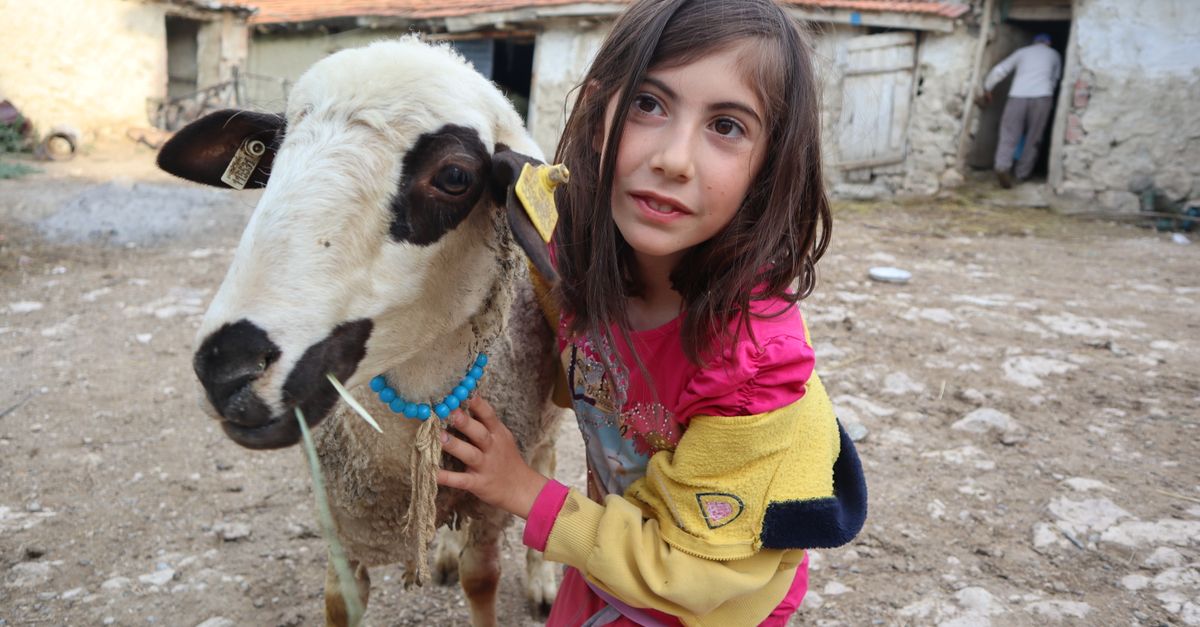
Running every Friday through July, Little Farmer Fridays are structured for a considerably younger audience: preschoolers between the ages of two and five, attending with a parent or caregiver. The program includes a story, a craft, animal encounters, and a wagon ride across the 4.5-acre farm.
The design logic here is worth noting. Programs for children under five are notoriously difficult to structure well. Attention spans are short, sensory engagement is paramount, and the presence of a caregiver is not just logistically necessary but educationally useful — adults who participate alongside young children tend to extend and reinforce what the child experiences. Heritage Farmstead has built that dynamic directly into the format.
The animal encounters are not incidental. For a two- or three-year-old who has spent most of their life in a suburban Plano neighborhood, meeting a live farm animal is a genuinely novel experience with measurable developmental value. The wagon ride provides a physical orientation to the scale and character of the farm that a walking tour alone would not.
There is also something worth saying about the Friday cadence. By scheduling the program weekly rather than as a one-time event, the museum creates the possibility of return visits — families who come once, find that their child responds well to the environment, and come back the following Friday. Repetition builds familiarity, and familiarity builds deeper engagement with a place.
Plano’s summer event calendar in 2026 is genuinely busy. The city’s All-American 4th celebration draws crowds to Collin College’s Spring Creek Campus. The Plano Food and Wine Festival activates Legacy West. Tropics on the Tracks brings live music to McCall Plaza in Historic Downtown across a full weekend in mid-July. These are high-production, high-attendance events that serve important community functions.
Heritage Farmstead operates at a different scale and with a different purpose. It is not competing with those events for attendance or spectacle. What it offers is continuity — a place that is open and programmed not just on a single weekend but across the arc of the summer, providing families with a repeatable destination rather than a one-time experience.
The Plano Public Library’s Summer Reading Program, running through July 31 across all library branches, operates on a similar logic of sustained engagement rather than a single moment. Both institutions are doing the longer, quieter work of keeping children intellectually and physically active through the months when school is not in session.
For Heritage Farmstead specifically, the summer programs also serve a preservation function that is easy to overlook. A historical site that is actively used and visited is far easier to sustain — financially and institutionally — than one that sits passively. Every family that walks through the gate during a Little Farmer Friday or drops a child off for a week of summer camp is participating, however indirectly, in the ongoing project of keeping that land and its structures intact and relevant.
The museum is located at 1900 W. 15th Street, a Plano address that places it in a residential and light-commercial corridor rather than a high-traffic retail zone. It is not a drop-in attraction in the way that a park or public plaza might be. The summer camp serves children entering kindergarten through fifth grade; Little Farmer Fridays are designed for ages two through five. Families whose children fall outside those ranges would want to check the museum’s programming calendar directly.
The site is described as a 4.5-acre farm in the context of the Friday program and a 4-acre historical site in the context of the summer camp — a minor discrepancy that likely reflects how different parts of the grounds are used for different programs. Either way, the physical footprint is meaningful for a site within Plano’s urban fabric.
For a city that has grown as rapidly and as recently as Plano has, institutions like Heritage Farmstead carry a particular kind of weight. They are evidence that growth and preservation can coexist, and that a community can choose to hold onto the physical record of where it came from even as it builds aggressively toward where it is going. The summer programs are, in that sense, not just programming. They are the mechanism by which the museum makes that argument to a new generation, one wagon ride at a time.
Restaurant reviews, events, and local news from Plano, delivered weekly.
The week's top local news & events, free in your inbox. No spam — unsubscribe anytime.